Confused by entrance door and external door categories? Learn the differences, avoid misquotes, and start in the right place when buying a new door.
What You’ll Learn:
- How an external door category includes front, back, and side doors across most retailers
- Why the term entrance door is often used inconsistently and how to interpret it correctly
- Which category to browse first depending on whether you need style, practicality, or flexibility
- How understanding door labels helps avoid overspending and improves like-for-like comparisons
(Estimated Reading Time: 4-5 Minutes)
Introduction
When shopping for a new door, the terms used online can quickly become confusing. Entrance door, external door, front door, back door — they’re often treated as interchangeable, but they don’t always guide you to the same products or price points.
For budget-conscious buyers, this confusion can lead to wasted time, misquotes, or paying for features that aren’t actually needed. Choosing the wrong category to browse first can narrow your options before you even realise it.
This guide explains the real difference between an entrance door and an external door, how retailers use these terms, and which section you should start with depending on your priorities.
What is an external door
An external door is the broadest category.
It simply means any door that separates the inside of your home from the outside. This includes front doors, back doors, side doors, and sometimes even garage access doors.
If a door is exposed to weather and needs to provide security and insulation, it’s an external door.
What is a front door
A front door is a specific type of external door.
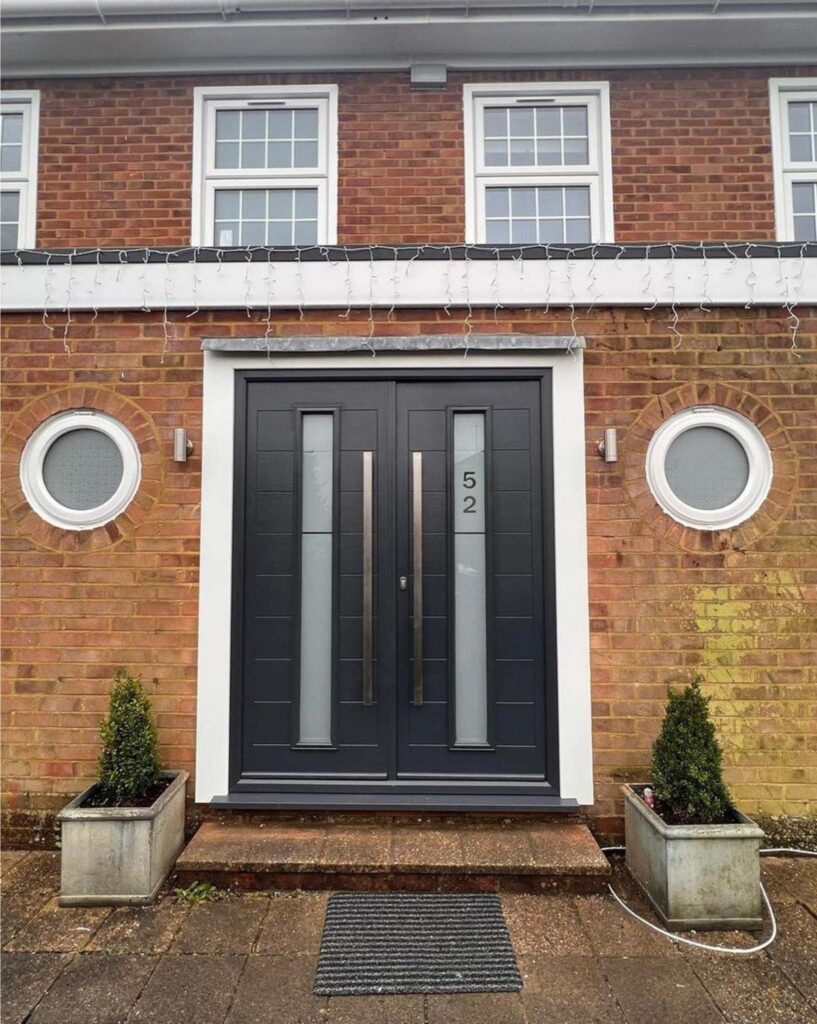
It is the main entrance to the property and is typically the most visible and design-led door.
Front doors usually prioritise kerb appeal, security, and first impressions.
What is a back door
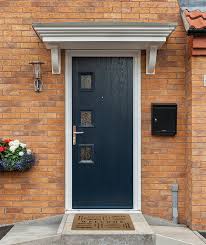
A back door is also an external door, but it serves a more functional role.
Back doors often connect kitchens, utility rooms, or dining areas to the garden. They prioritise practicality, security, and light rather than show.
They still need to perform just as well as front doors in terms of insulation and strength.
What is an entrance door
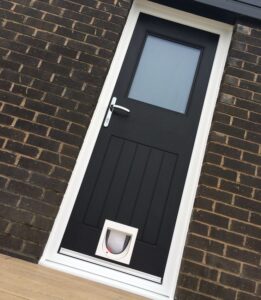
The term “entrance door” is often used more loosely.
In many cases, it refers to the primary door used to enter the home, effectively another way of saying front door.
However, some retailers use “entrance door” to describe a higher-level category that includes front doors, back doors, and side doors together.
Understanding how the retailer uses the term is important.
Why this distinction matters when buying
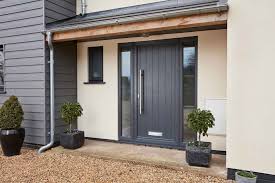
Starting in the wrong category can limit your options.
For example, looking only at front doors when you need a back door may push you towards unnecessary design features.
Browsing external doors first gives a broader view and helps identify the best value options.
Which page should you start on
If you want to replace your main front door
Start with front doors or entrance doors.
These sections usually highlight design-led options and styles that suit prominent entrances.
If you need a practical rear or side door
Start with back doors or external doors.
These categories focus more on functionality and often include simpler, more budget-friendly designs.
If you’re not sure what you need
Start with external doors.
This gives you the full range of options before narrowing down to a specific use case.
Style overlap across categories
Many door styles appear in multiple categories.
A door marketed as a front door may also work perfectly as a back door.
This overlap allows budget-conscious buyers to choose designs based on need rather than labels.
Security and performance are consistent
Regardless of category, quality composite doors should deliver the same core benefits.
Security, insulation, and durability should not be compromised based on whether the door is labelled front or back.
If performance differs significantly between categories, that’s a red flag.

How this helps control your budget
Understanding categories prevents over-specification.
You avoid paying for decorative features that aren’t needed and focus spending where it matters.
This clarity makes it easier to compare like-for-like options.
Using the online designer to cut through labels
An online door designer allows you to ignore category labels and focus on design, specification, and price.
You can choose a door style you like, configure it for front or back use, and see the cost clearly.
This approach simplifies decision-making and avoids confusion.
Common mistakes buyers make
Assuming entrance doors are different products.
Overpaying for design features on back doors.
Ignoring overlap between categories.
Starting too narrowly.
Knowing the terminology avoids these pitfalls.
Final thoughts and next steps
Front doors, back doors, entrance doors, and external doors are closely related, but the labels matter when navigating options.
Starting in the right category saves time, reduces confusion, and helps control costs.
If you’re unsure where to begin, the safest option is to start with external doors and refine from there.
To explore all options clearly and design your door without getting lost in labels, use the Global Door online designer. Choose your style, adjust the specification, and see the price instantly.
🛒 Browse the full collection at Global Door
📞 Or call 01642 309576 for expert guidance and a no-pressure quote.
In a rush? Why not contact us via Whatsapp
Browse our articles
- Cottage Composite Door Styles in Modern Colours
- 12 Things to Check Before Buying a Composite Door
- Contemporary Composite Door Glass: Privacy and Light Tips
- Trade Composite Doors: looking for trade prices? Visit our trade site, The Trade Village
FAQ’s
Q1: What is an external door?
A1: Any door that separates your home from the outside, including front, back, and side doors.
Q2: Is an entrance door different from a front door?
A2: Often it’s just another term for a front door, but some websites use it as a broader category. Always check how the retailer labels it.
Q3: Where should I start browsing if I’m unsure?
A3: Start with external doors for the full range, then narrow down to front or back once you know what you need.
Q4: Do front and back doors need different specs?
A4: They should both be secure and well insulated. The main difference is usually style and glazing preferences.