Compare pebble grey and anthracite grey composite doors to find the best colour for your home, style, and budget.
What You’ll Learn:
- How pebble grey and anthracite grey differ in tone, light reflection, and property fit
- Which grey shade works best on traditional, period, and modern homes
- How light, kerb appeal, and scale influence your grey composite door choice
- Tips for pairing glass, hardware, and finishes while keeping costs under control
(Estimated Reading Time: 4-5 Minutes)
Introduction
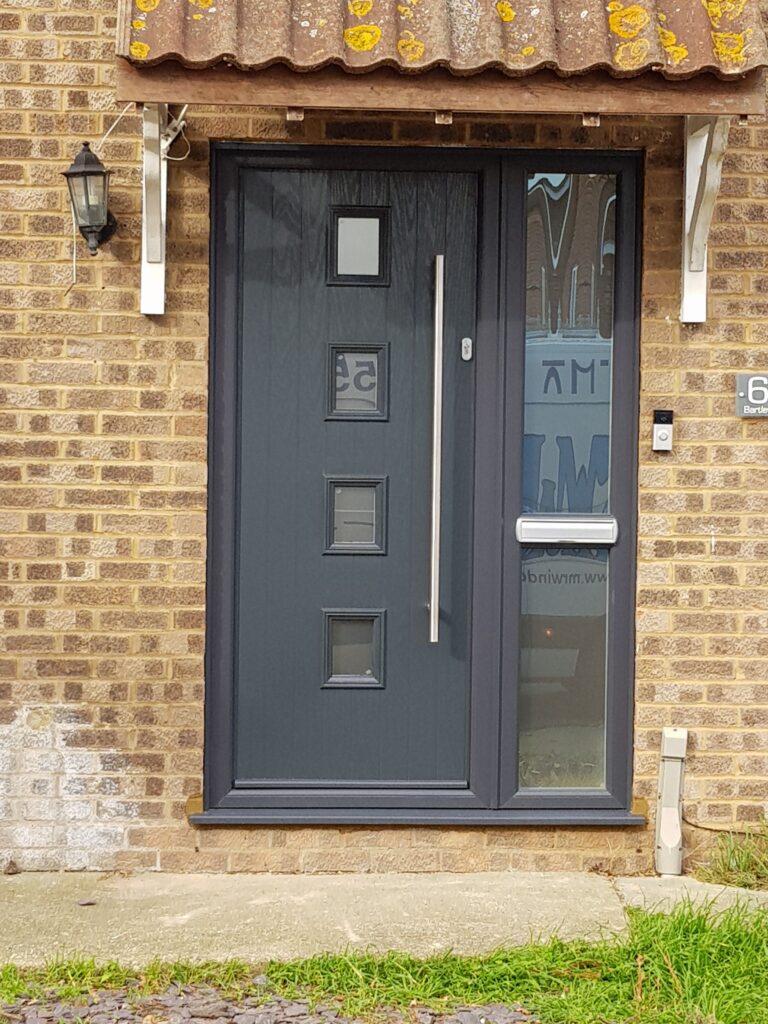
Grey composite doors have grown in popularity across the UK, offering a modern, stylish look that works on almost any property. Unlike bold colours, grey feels timeless, versatile, and practical.
The challenge is that “grey” isn’t one colour. Pebble grey, anthracite, slate, and charcoal all look different in natural light, on different materials, and when paired with glazing or hardware.
In this guide, we’ll compare the two most popular grey shades—pebble grey and anthracite grey—explaining how they differ visually, which properties they suit best, how they affect kerb appeal and light, and how to choose the right one without overspending. Homeowners using the Global Door online designer can easily visualise both shades on the same door and make confident decisions.
Why grey composite doors are so popular
Grey sits in the sweet spot between modern and timeless.
Unlike bold colours, it doesn’t dominate the facade. Unlike white, it doesn’t show dirt easily or feel dated. And unlike black, it’s softer and more forgiving in varied lighting conditions.
Grey composite doors work well with brick, render, stone, cladding, and painted exteriors. They also pair easily with modern windows, especially grey or black frames.
For homeowners who want a safe but stylish upgrade, grey is often the default choice.
Pebble grey vs anthracite grey explained simply
What is pebble grey
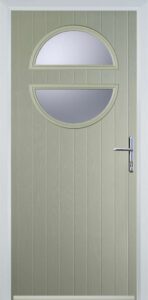
Pebble grey is a lighter, softer shade of grey with warm undertones.
It reflects more light than darker greys and feels subtle rather than dramatic. Pebble grey often changes slightly depending on daylight, appearing warmer in sun and cooler in shade.
It’s a popular choice for homeowners who want a modern look without going too dark.
What is anthracite grey
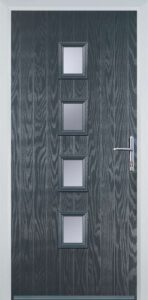
Anthracite grey is a deep, dark charcoal shade.
It creates strong contrast and delivers a bold, architectural look. Anthracite absorbs light rather than reflecting it, which makes the door appear solid and substantial.
This shade is often associated with contemporary homes and modern renovations.
Which grey suits your home best
Traditional and period homes
Pebble grey tends to work better on older properties.
Its softer tone complements red brick, stone, and painted render without overpowering traditional features. It feels sympathetic rather than disruptive.
Anthracite can work on period homes, but usually only when paired with simple door styles and restrained glazing.
Modern and renovated homes
Anthracite grey shines on modern homes.
It pairs well with large windows, clean lines, and contemporary materials. On newer builds or heavily renovated properties, anthracite creates a sharp, confident entrance.
Pebble grey can still work, but it delivers a gentler, more understated effect.
Small entrances vs large facades
Darker colours make doors feel visually heavier.
On small frontages or narrow entrances, pebble grey can feel more balanced. On wide facades or recessed entrances, anthracite grey often looks more proportionate.
Scale matters more than many people realise.
Light, warmth, and kerb appeal
How light affects grey doors
Grey doors change with the light.
Pebble grey reflects daylight and can brighten darker entrances. Anthracite absorbs light, which can make entrances feel more dramatic but potentially darker.
If your hallway lacks natural light, a lighter grey may be the better choice.
Kerb appeal considerations
Anthracite grey creates instant kerb appeal through contrast. It draws attention and feels modern.
Pebble grey blends more subtly with the exterior, creating a calm, cohesive look.
Neither is right or wrong. The choice depends on whether you want the door to stand out or sit harmoniously within the facade.
Glass and hardware pairing for grey composite doors
Glass choices
Both greys work well with frosted or lightly patterned glass.
Anthracite pairs nicely with clean, geometric glazing designs. Pebble grey suits softer patterns and traditional layouts.
Avoid overly busy glass designs, which can clash with the simplicity of grey tones.
Hardware finishes
Chrome and stainless steel work with both shades.
Black hardware creates a strong, modern look on anthracite doors and a softer contrast on pebble grey.
Brass and gold finishes tend to suit pebble grey better, especially on traditional styles.
Maintenance and durability of grey composite doors
Grey composite doors are practical choices.
The GRP skin resists fading and surface damage. Grey tones hide dust and everyday marks better than white or very dark colours.
Pebble grey may show less dust, while anthracite may show fewer scuffs. Both are low maintenance compared to painted timber doors.
Regular cleaning with mild soap is usually sufficient.
Cost considerations and staying on budget
From a pricing perspective, pebble grey and anthracite grey are usually treated as standard colours.
This means there’s rarely a significant cost difference between them.
To keep costs under control:
- Choose a standard grey finish.
- Avoid bespoke colour matching.
- Keep glazing and hardware simple.
- Use an online designer to monitor price changes.
Most of the cost of a composite door comes from size, glazing, and installation, not colour choice.
Using the online designer to compare greys properly
Grey shades can look very different on screen versus in real life.
An online door designer allows you to apply pebble grey and anthracite grey to the same door style and compare them directly.
This helps you visualise scale, contrast, and overall impact before committing.
Seeing the price update as you switch colours also reassures you that style choices aren’t inflating the budget.
Common mistakes to avoid when choosing grey
Choosing too dark a grey for a small or shaded entrance.
Pairing grey with overly decorative glass.
Ignoring the colour of windows and trims.
Selecting a grey based on trends rather than the property style.
Avoiding these mistakes helps ensure the door looks right long-term.
Final thoughts and next steps
Grey composite doors offer one of the safest, most versatile upgrades available to homeowners.
Pebble grey delivers softness and balance. Anthracite grey delivers impact and modernity. Both can look excellent when chosen thoughtfully.
If you’re deciding between grey shades, the best next step is to use the Global Door online designer. Apply both colours to your chosen door style, compare the look and price, and move forward with confidence.
🛒 Browse the full collection at Global Door
📞 Or call 01642 309576 for expert guidance and a no-pressure quote.
In a rush? Why not contact us via Whatsapp
Browse Our Articles
- Composite Back Door: Strong, Secure, and Energy-Efficient
- Half Glazed Composite Doors: Light, Privacy, Security
- Budget Composite Doors UK: Real Door Prices Explained
- Trade Composite Doors: looking for trade prices? Visit our trade site, The Trade Village
FAQ’s
Q1: What’s the difference between pebble grey and anthracite grey?
A1: Pebble grey is lighter and softer. Anthracite is darker and more modern/contrasty. The right choice depends on the property style and light levels.
Q2: Which grey is best for a shaded entrance?
A2: Pebble grey is often better because it reflects more light and feels less heavy.
Q3: Do grey doors suit traditional homes?
A3: Yes, especially softer greys. Dark anthracite can work too if the door design is kept simple.
Q4: Are grey composite doors easy to maintain?
A4: Yes. Grey tones usually hide everyday marks better than white and need only basic cleaning.