Discover how a traditional glazed composite door delivers light, character, security, and insulation without the compromises of older timber designs.
What You’ll Learn:
- How a traditional glazed composite door achieves security and insulation despite using glass
- Which glass sizes and layouts best preserve character while maintaining privacy and performance
- What types of door glass suit a traditional glazed composite door without looking out of place
- How to choose glazing and features that protect your budget without weakening the door
(Estimated Reading Time: 5-6 Minutes)
Introduction
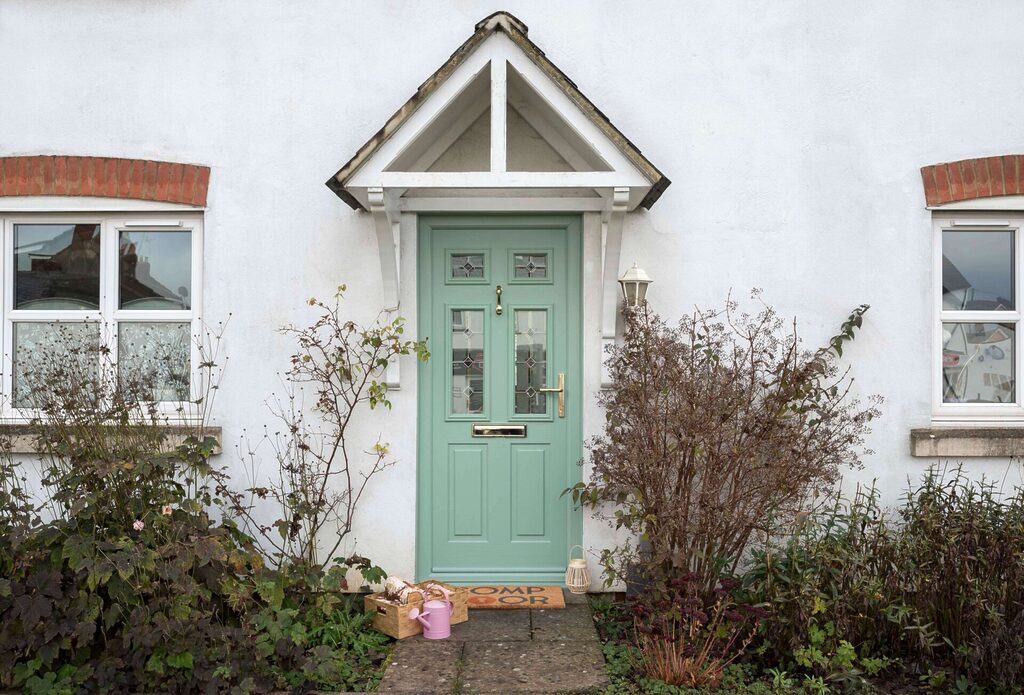
A traditional glazed composite door used to feel like a compromise. Homeowners wanted the light and character that glass brings, but worried about heat loss, draughts, and security.
Modern composite construction has changed that completely. Today, a traditional glazed composite door can deliver period charm alongside strong security, excellent insulation, and long-term reliability.
This guide explains how traditional composite doors with glass now offer the best of both worlds. We’ll cover how glazing works in modern doors, how to choose the right amount and style of glass, and how to keep your specification sensible without losing the character that makes traditional designs so appealing.
Why glass has always been part of traditional door design
Glass in traditional doors wasn’t just decorative.
Historically, it allowed light into hallways that otherwise relied on candles or gas lamps. Fanlights, arched panels, and small glazed inserts were practical solutions as much as aesthetic ones.
Modern composite doors preserve these proportions while vastly improving performance.
Common concerns with glazed traditional doors
Security worries
Many homeowners worry that glass makes a door easier to break.
This concern is rooted in older door designs, not modern composite construction.
Heat loss and draughts
Single glazing and poor seals were once common.
Composite doors solve these issues with modern materials and installation methods.
How modern composite doors solve these problems
Toughened, double glazed units
Traditional composite doors use toughened double glazing as standard.
This glass is far stronger than old single panes and resists impact effectively.
Internal glazing beads
Glass is secured from the inside of the door, preventing removal from outside.
This is a key security feature and should always be confirmed.
Insulated door cores
The solid sections of the door use insulated cores that dramatically reduce heat loss.
This ensures glazed doors perform well thermally.
Choosing the right amount of glass
Small glazed panels
Small glazed panels preserve the traditional look and maximise insulation.
They are ideal for street-facing doors where privacy matters.
Half glazed designs
Half glazed traditional doors allow more light while retaining a classic appearance.
They are popular on Victorian and Edwardian properties.
Fanlights and top panels
Fanlights add character and light without affecting door strength.
They are an excellent option for maintaining traditional proportions.
Glass styles that suit traditional composite doors
Frosted and obscure glass
Frosted glass provides privacy while allowing light.
It suits most traditional settings.
Lead-style glass
Lead-style patterns enhance period authenticity.
Simple designs tend to be more timeless and affordable.
Clear glass and when it works
Clear glass works best where privacy is protected, such as recessed entrances or porches.
Balancing character and thermal performance
Glass will always insulate slightly less than a solid panel.
However, the difference is minimal when modern double glazing is used.
Draughts are almost always caused by poor fitting, not glass choice.
Security considerations for glazed traditional doors
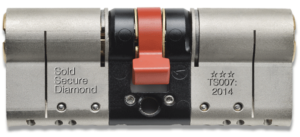
Multi-point locking systems secure the door along its full height.
Reinforced frames prevent flexing.
Security comes from the whole system, not just the glass.
Budget tips for traditional doors with glass
Choose modest glass sizes.
Avoid overly complex patterns.
Stick to standard colours.
Prioritise insulation and locks over decoration.
These choices keep costs sensible.
Using the online designer to get proportions right
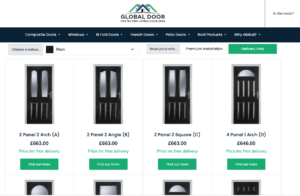
An online designer helps visualise how glass size and placement affect the door’s look.
It also shows how glazing choices affect price, helping avoid over-specification.
Common mistakes to avoid
Oversized glazing on exposed doors.
Using ultra-modern glass patterns on traditional styles.
Ignoring privacy needs.
Cutting corners on installation.
Avoiding these ensures the door performs as well as it looks.
Final thoughts and next steps
Traditional composite doors with glass no longer require compromise.
You can enjoy natural light, classic character, strong security, and excellent insulation in one product.
If you’re considering a traditional door with glass, the best next step is to explore options using the Global Door online designer. Adjust glass styles, review performance, and see pricing clearly before deciding.
🛒 Browse the full collection at Global Door
📞 Or call 01642 309576 for expert guidance and a no-pressure quote.
In a rush? Why not contact us via Whatsapp
Browse our articles
- Entrance Door vs External Door: Where to Start
- Cottage Composite Door Styles in Modern Colours
- 12 Things to Check Before Buying a Composite Door
- Trade Composite Doors: looking for trade prices? Visit our trade site, The Trade Village
FAQ’s
Q1: Are traditional composite doors with glass secure?
A1: Yes, if the glazing is toughened, double glazed, internally beaded, and combined with multi-point locking.
Q2: Will glass make the hallway colder?
A2: Not significantly if modern double glazing is used. Draught reduction depends mostly on seals and installation.
Q3: What glass style suits traditional doors best?
A3: Frosted or lightly patterned glass and restrained lead-style designs usually suit traditional doors best.
Q4: What’s the best way to get light and keep privacy?
A4: Use modest glazing sizes with privacy glass, or consider a fanlight/top light configuration if available.