Black composite doors deliver bold kerb appeal without aluminium prices. Discover styles, finishes, costs, and how to get the look right.
What You’ll Learn:
- Why black composite doors suit both modern and traditional homes
- How composite compares to aluminium for black door designs
- The difference between matte and gloss black finishes
- How to design a black composite door that looks premium on a budget
(Estimated Reading Time: 4-5 Minutes)
Introduction
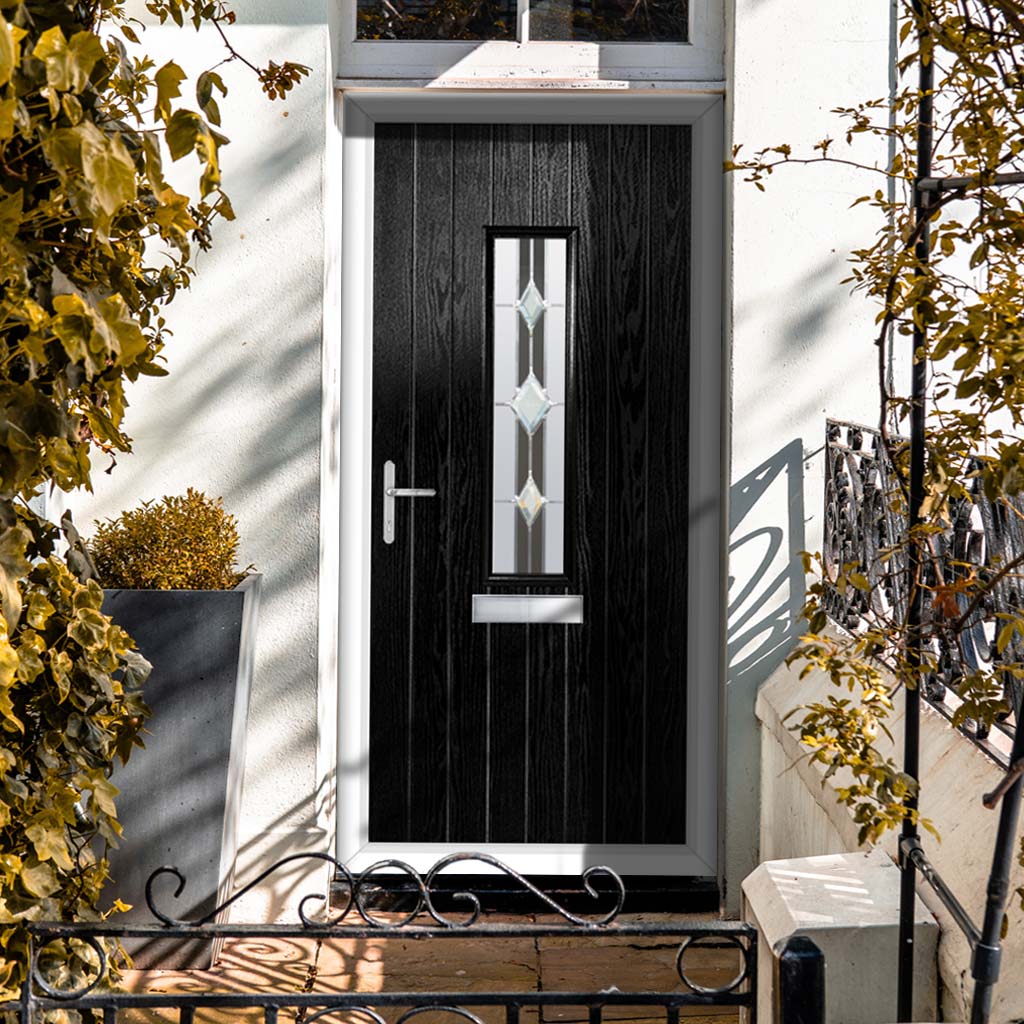
Black composite doors have become one of the most effective ways to modernise a home’s exterior — and not just on new builds. From Victorian terraces to 1930s semis and contemporary extensions, a black composite door adds instant contrast, confidence, and kerb appeal.
Many homeowners assume this look requires an aluminium door and a premium budget. In reality, black composite doors offer the same visual impact at a far more sensible price — with better insulation and lower maintenance to match.
In this guide, we’ll explain why black composite doors work so well on UK homes, how to achieve a premium finish without overspending, and which design choices have the biggest influence on cost, performance, and long-term value.
Why Black Doors Work So Well On UK Homes
Black is a powerful design colour because it creates contrast.
On red brick, rendered walls, or light stone, a black door stands out sharply and frames the entrance. It draws the eye and gives the property a more intentional, updated appearance.
Black also hides shadows and imperfections better than lighter colours. This makes the door look more solid and premium, even at a sensible price point.
Because black is neutral, it works across architectural styles. It suits period homes when paired with traditional designs, and it complements modern homes when combined with contemporary glass and hardware.
Composite vs Aluminium For Black Doors
Aluminium doors have become closely associated with black finishes, but they are not the only option.
Aluminium doors are strong and sleek, but they are expensive. The cost often increases further once glazing, hardware, and installation are factored in.
Composite doors offer a practical alternative. The GRP skin takes black finishes extremely well, maintaining a deep, consistent colour over time. Unlike aluminium, composite doors feel warmer to the touch and insulate better.
For most homes, the visual difference between a black aluminium door and a well-designed black composite door is minimal. The price difference, however, is significant.
This makes composite the smart choice for budget-conscious buyers who want maximum impact.
Matte vs Gloss Black: Which Should You Choose
One of the most important decisions is the finish.
Gloss black has a classic feel. It reflects light, creating a polished look that works well on traditional or transitional homes. However, gloss finishes can show fingerprints and dust more easily.
Matte black is the modern favourite. It absorbs light rather than reflecting it, giving a softer, more architectural appearance. Matte finishes tend to hide marks better and maintain a clean look with less effort.
Both finishes can work beautifully. From a budget perspective, neither usually carries a significant price difference, so the choice should be driven by style rather than cost.
Glass Options That Complement Black Doors
Glazing plays a big role in how a black composite door looks.
Simple, well-proportioned glass designs tend to work best. Vertical glazed panels, square windows, or modest decorative inserts maintain balance without overpowering the door.
For privacy, frosted or obscure glass is the most practical choice. It allows natural light into the hallway while preventing visibility from outside.
Clear glass can work on set-back entrances or homes with porches, but it’s less forgiving in exposed locations.
Avoid overly ornate glass patterns if the goal is a modern look. Clean lines keep the door feeling intentional and premium.
Hardware Choices That Elevate The Look
Hardware can make or break a black door.
Chrome and stainless steel handles create a crisp contrast and suit modern designs. Black hardware offers a monochrome look that feels contemporary and understated.
Brass or gold finishes add warmth and can work well on traditional black doors, especially on period homes.
Long bar handles are popular but not essential. Standard lever handles in modern finishes can still achieve a high-end appearance at a lower cost.
The key is consistency. Choose hardware that matches the overall style of the door and the home.
Security and Performance Behind The Colour
A black composite door isn’t just about looks.
Behind the surface, it delivers the same performance as any quality composite door. Multi-point locking systems provide strong security. The rigid door slab resists impact. Reinforced frames keep everything aligned.
Thermally, composite doors outperform aluminium in most domestic settings. The insulated core keeps cold out and heat in, improving comfort year-round.
Weather resistance is another advantage. Black composite doors are designed to resist fading, cracking, and warping, even when exposed to direct sunlight.
Do Black Doors Show Dirt and Scratches
This is a common concern.
In practice, black composite doors are very forgiving. The GRP skin is durable and resists surface damage better than painted timber. Minor marks are less noticeable than on white or light-coloured doors.
Regular cleaning with warm soapy water is usually enough to keep the door looking fresh. Matte finishes, in particular, hide fingerprints and dust well.
As long as the door is high quality, black is not a high-maintenance choice.
Front Door vs Back Door In Black
Black is most commonly chosen for front doors, but it can work just as well on back or side entrances.
Some homeowners prefer to match all external doors in black for a cohesive look. Others choose black at the front and a lighter colour at the back.
There’s no right answer. The advantage of composite doors is flexibility. You can choose what suits your home and budget without sacrificing performance.
Keeping Costs Under Control
To get the best value from a black composite door, keep these points in mind.
Choose a standard black finish.
Keep glazing simple.
Avoid unnecessary bespoke sizing.
Select practical hardware upgrades.
Use a door designer to monitor price changes.
Most of the premium look comes from colour and proportion, not expensive add-ons.
Using The Online Designer to Build a Black Composite Door
An online door designer makes it easy to visualise a black composite door.
You can see how different glass layouts, finishes, and handles look together and how each choice affects the price. This helps avoid over-specifying the door and keeps the budget under control.
It also allows you to compare traditional and contemporary black door designs side by side, which is useful if you’re unsure which direction to go.
Final Thoughts and Next Steps
Black composite doors deliver one of the strongest kerb appeal upgrades available. They’re bold, versatile, and timeless, and they work across a wide range of property styles.
Crucially, you don’t need aluminium or a premium budget to achieve this look. A well-designed black composite door offers the same impact, better insulation, and excellent security at a more sensible price.
If you’re considering a black composite door, the next step is to explore your options properly. Use the Global Door online designer to experiment with styles, control the specification, and see an instant price before committing.
🛒 Browse the full collection at Global Door
📞 Or call 01642 309576 for expert guidance and a no-pressure quote.
In a rush? Why not contact us via Whatsapp
FAQ’s
Q1: Do black composite doors fade?
A1: Good-quality composite doors are designed to resist fading, though any exterior product can weather over many years. Regular cleaning helps maintain appearance.
Q2: Is matte black better than gloss black?
A2: Matte looks more modern and hides fingerprints better. Gloss looks more classic and reflective. Choose based on the property style rather than “better”.
Q3: Do black doors show dirt more?
A3: Black can show dust in strong sunlight, but it hides many everyday scuffs better than white. Matte finishes are usually the most forgiving.
Q4: Is a black composite door secure?
A4: Yes. Colour doesn’t affect security. Security comes from the door construction, lock specification, and correct fitting.